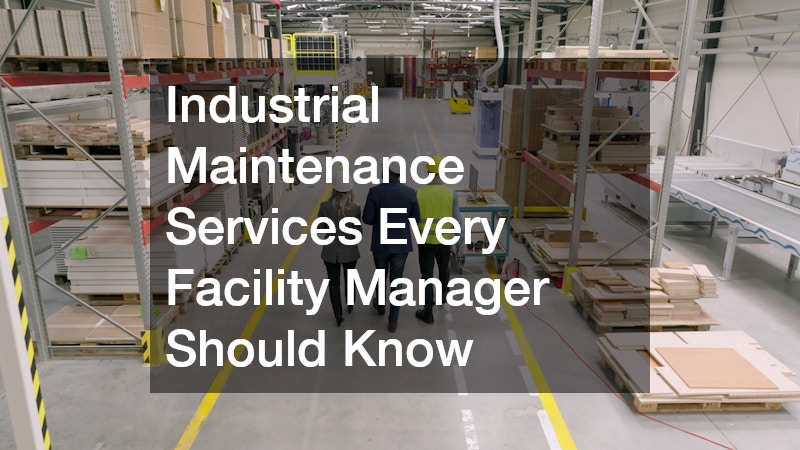
Facility management is no longer just about keeping the lights on and responding to breakdowns. Modern operations demand a proactive, systems-level approach that prioritizes uptime, efficiency, and long-term asset performance. Every decision, from routine inspections to vendor selection, has a measurable impact on productivity and cost control. As industrial environments become more complex, maintenance strategies must evolve accordingly. Understanding the full spectrum of essential services is the first step toward building a resilient operation.
A well-structured maintenance program reduces risk while improving operational predictability. Facilities that invest in preventive strategies consistently outperform those that rely on reactive fixes. The goal is not just to prevent failure but to optimize performance across all systems. This requires a combination of in-house expertise and specialized external support. Facility managers who master this balance position their operations for sustained success.
Why Preventive Maintenance Is the Foundation of a Well-Run Facility
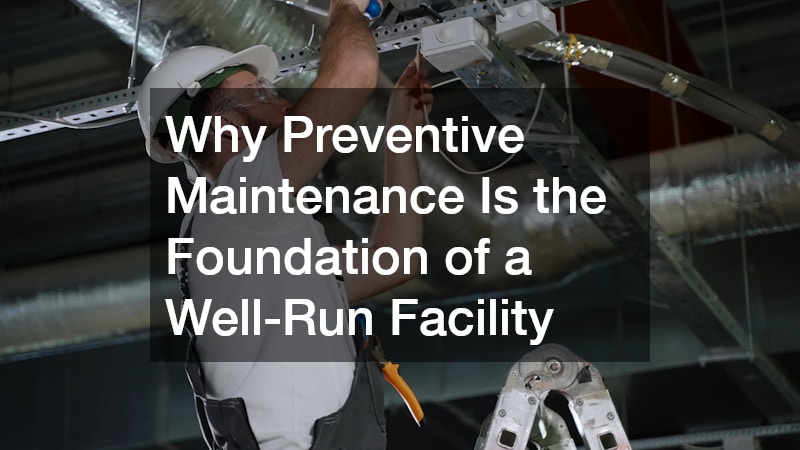
Preventive maintenance is one of the most cost-effective strategies available to facility managers. Scheduled servicing minimizes the likelihood of catastrophic equipment failure and extends asset lifespan. Over time, this approach significantly reduces capital expenditures and emergency repair costs. Facilities that prioritize maintenance planning also benefit from more predictable budgeting. The financial case becomes clear when compared to the high cost of unplanned downtime.
Unplanned downtime has ripple effects that extend beyond lost production. It disrupts workflows, strains employee morale, and can damage client relationships. Missed deadlines and inconsistent output create long-term reputational risks. In highly competitive industries, even minor disruptions can lead to lost contracts. Preventive maintenance mitigates these risks by ensuring operational continuity.
Building a comprehensive maintenance calendar requires a detailed understanding of every system within the facility. This includes mechanical, electrical, and support infrastructure that may not always be visible. Leveraging resources from a trusted industrial supply partner can help ensure that replacement parts and tools are always available when needed. A well-organized schedule aligns maintenance activities with production demands. This coordination minimizes disruptions while maximizing efficiency.
Keeping Your Mechanical Systems Running at Peak Performance
Mechanical systems form the backbone of most industrial operations. Regular inspection and servicing help identify wear patterns before they escalate into larger issues. Components such as bearings, belts, and seals require consistent monitoring to maintain optimal performance. Ignoring small inefficiencies often leads to cascading failures that affect multiple systems. A disciplined approach to maintenance prevents these costly chain reactions.
Some of the most critical mechanical systems are also the most frequently overlooked. Ventilation systems, lubrication networks, and secondary drive components often receive less attention than primary machinery. However, failures in these areas can bring entire operations to a halt. Facility managers must ensure that all systems, not just the most visible ones, are included in maintenance protocols. Comprehensive coverage is essential for operational stability.
Determining when to involve external specialists is a key part of effective maintenance management. While in-house teams can handle routine tasks, complex repairs often require specialized expertise. For example, issues involving material handling equipment may necessitate a certified forklift mechanic. Bringing in the right expert at the right time reduces risk and ensures proper resolution. Strategic outsourcing complements internal capabilities.
Managing Your Facility’s Power and Electrical Infrastructure
Electrical systems are among the most critical components of any industrial facility. Conducting regular audits helps identify vulnerabilities such as overloaded circuits or aging infrastructure. These assessments should include both visible components and hidden wiring systems. Early detection of issues prevents costly outages and safety hazards. A proactive approach ensures consistent power delivery.
Backup power systems play a vital role in maintaining operations during unexpected outages. Facilities that rely on continuous production cannot afford extended downtime. This makes regular servicing and testing of backup systems essential. In many cases, specialized providers are required for commercial generator repairs to ensure reliability. Proper maintenance of these systems safeguards both productivity and safety.
Electrical maintenance is not an area where shortcuts can be taken. Licensed professionals bring the expertise needed to handle complex systems safely and effectively. Facility managers should verify credentials and ensure compliance with local regulations. Working with qualified experts reduces liability and enhances system performance. Investing in professional services pays dividends in reliability.
Compressed Air Systems: A Hidden Driver of Operational Efficiency
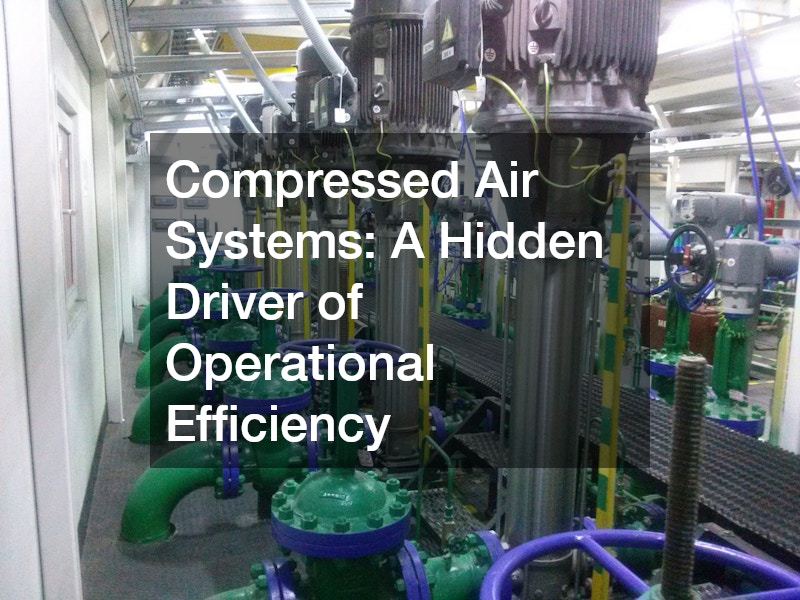
Compressed air systems are often referred to as the fourth utility in industrial environments. They power a wide range of tools and processes, making them essential to daily operations. However, inefficiencies in these systems can lead to significant energy waste. Regular monitoring helps identify leaks and pressure inconsistencies. Addressing these issues improves both performance and cost efficiency.
Leaks are one of the most common sources of inefficiency in compressed air systems. Even small leaks can result in substantial energy losses over time. Conducting routine inspections ensures that these problems are identified and resolved quickly. Facilities that rely heavily on industrial compressed air must prioritize system integrity. Consistent maintenance keeps operations running smoothly.
Establishing a maintenance schedule for compressed air systems is essential for long-term reliability. This includes regular filter changes, pressure checks, and system audits. Preventive care reduces the likelihood of unexpected failures. It also ensures that equipment operates at optimal efficiency. A structured approach to maintenance delivers measurable results.
Precision Cleaning as a Maintenance Strategy
Cleaning in industrial environments goes far beyond basic housekeeping. It plays a critical role in maintaining equipment performance and longevity. Contaminants such as oil, dust, and metal particles can interfere with precision components. Over time, this leads to reduced efficiency and increased wear. Incorporating cleaning into maintenance protocols is essential.
Different types of equipment require different cleaning methods. Using the wrong approach can cause damage or fail to remove critical contaminants. Advanced methods such as ultrasonic cleaning are particularly effective for intricate components. These techniques ensure thorough removal of debris without damaging sensitive parts. Selecting the right method improves outcomes significantly.
Delaying or neglecting cleaning can have serious consequences. Accumulated contaminants can lead to overheating, corrosion, and mechanical failure. This not only affects performance but also increases repair costs. Regular cleaning schedules help prevent these issues. Integrating cleaning into maintenance strategies enhances overall system reliability.
Hydraulic and Heavy Equipment Maintenance
Hydraulic systems are widely used in industrial applications due to their power and precision. However, they require specialized knowledge to maintain effectively. Components operate under high pressure, making them susceptible to wear and failure. Regular inspections help identify issues such as leaks or pressure inconsistencies. Proper maintenance ensures safe and efficient operation.
Recognizing early warning signs is critical for preventing major failures. Unusual noises, reduced performance, and visible leaks are common indicators of trouble. Addressing these issues promptly can prevent costly downtime. In many cases, professional hydraulic cylinder repair is necessary to restore full functionality. Timely intervention minimizes disruption.
Material handling equipment also demands consistent attention. High usage levels increase the likelihood of wear and tear. Regular servicing ensures that equipment remains safe and operational. Neglecting maintenance in this area can lead to accidents and inefficiencies. Prioritizing these systems supports overall productivity.
CNC and Precision Machining Equipment Care
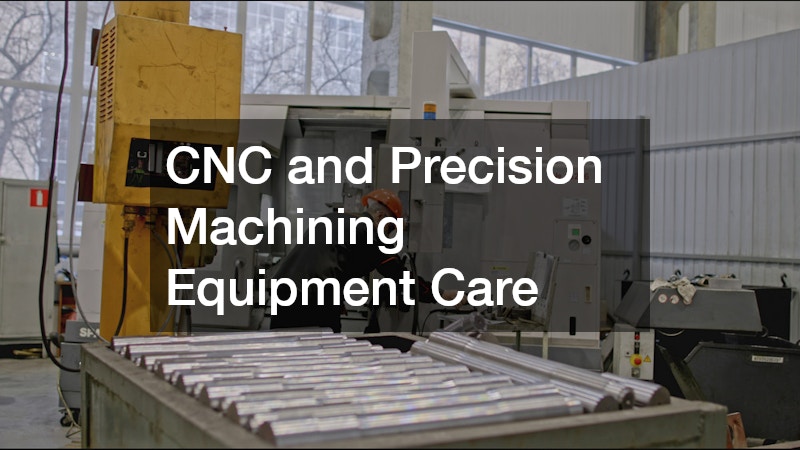
Precision machining equipment requires a higher standard of maintenance than general machinery. Even minor deviations can impact product quality and consistency. Regular calibration ensures that machines operate within specified tolerances. This is particularly important for facilities that rely on a cnc machine for production. Maintaining accuracy reduces defects and improves output.
Tooling condition plays a significant role in machining performance. Worn or damaged tools can compromise precision and increase scrap rates. Routine inspections and timely replacements are essential. This proactive approach helps maintain consistent quality. It also reduces the need for rework.
A comprehensive maintenance program for machining equipment delivers measurable benefits. Reduced downtime, improved accuracy, and lower material waste contribute to overall efficiency. Facilities that invest in these programs see long-term gains. Consistency in maintenance practices is key to achieving these results. Precision equipment demands precision care.
Chemical and Solvent Management in Industrial Settings
Chemical management is a critical aspect of industrial operations. Improper handling can lead to safety hazards and regulatory violations. Facilities must implement clear protocols for storage, usage, and disposal. These measures protect both employees and the environment. A structured approach reduces risk and ensures compliance.
Solvent use is common in many industrial processes, but it must be managed carefully. Improper disposal can result in significant environmental impact and legal consequences. Implementing systems such as solvent recyclers helps reduce waste and lower costs. These systems allow facilities to reuse materials safely. Efficient management supports sustainability goals.
Regulatory compliance is a key consideration in chemical management. Facilities must adhere to strict guidelines for hazardous waste management to avoid penalties. This includes proper documentation and disposal procedures. Partnering with experienced providers can simplify compliance. A proactive approach ensures that all requirements are met.
Thermal and Infrared Diagnostics as a Maintenance Tool
Thermal imaging has become an essential tool in modern maintenance strategies. It allows facility managers to detect issues that are not visible to the naked eye. Temperature variations can indicate problems such as electrical faults or mechanical wear. Early detection enables timely intervention. This reduces the risk of unexpected failures.
Certain systems benefit particularly from thermal diagnostics. Electrical panels, motors, and HVAC systems are common candidates. Regular scanning helps identify inefficiencies and potential hazards. Facilities that adopt these technologies gain a competitive advantage. Improved visibility leads to better decision-making.
Integrating thermal diagnostics into maintenance programs enhances overall effectiveness. Techniques such as infrared inspection provide valuable data for ongoing monitoring. This information supports predictive maintenance strategies. By addressing issues early, facilities can avoid costly disruptions. Technology-driven approaches are shaping the future of maintenance.
Building a Vendor Network That Supports Your Maintenance Program

Strong vendor relationships are a cornerstone of effective facility management. Reliable partners provide the expertise and resources needed to maintain complex systems. Choosing the right vendors requires careful evaluation and due diligence. Factors such as experience, responsiveness, and service quality should be considered. Building these relationships takes time but delivers long-term value.
Managing multiple vendors across different service areas can be challenging. Clear communication and defined expectations are essential for success. Service agreements should outline responsibilities, timelines, and performance standards. This ensures accountability and consistency. Well-structured contracts protect both parties.
A strategic approach to vendor management enhances overall maintenance performance. Regular reviews and performance assessments help maintain high standards. Facilities should continuously evaluate and refine their vendor network. This ensures alignment with operational goals. Strong partnerships contribute to sustained success.
Industrial maintenance is a complex, multifaceted discipline that requires strategic planning and execution. Facility managers must balance preventive measures with responsive capabilities to maintain operational efficiency. Each system, from mechanical components to electrical infrastructure, plays a critical role in overall performance. Understanding and implementing the right maintenance services is essential for long-term success. A proactive approach minimizes risk and maximizes productivity.
By investing in comprehensive maintenance strategies, facilities can achieve greater reliability and cost control. The integration of advanced technologies and specialized services further enhances these efforts. Strong vendor relationships and well-trained teams provide the foundation for effective execution. As industrial environments continue to evolve, so too must maintenance practices. Forward-thinking facility managers who prioritize these strategies will position their operations for sustained growth and resilience.
Beyond immediate operational benefits, a mature maintenance program creates long-term strategic advantages. Consistent performance builds trust with clients, strengthens supply chain reliability, and supports scalable growth. Facilities that prioritize maintenance are also better positioned to adopt new technologies without disrupting existing workflows. This adaptability is critical in industries where innovation and efficiency drive competitive advantage. Maintenance, in this context, becomes a core business function rather than a background task.
It is also important to recognize that maintenance culture starts at the leadership level. When facility managers emphasize accountability, documentation, and continuous improvement, those values cascade throughout the organization. Employees become more proactive in identifying issues, and teams collaborate more effectively to resolve them. Over time, this creates an environment where operational excellence is the standard rather than the exception. A strong internal culture reinforces every external investment in tools and services.
Ultimately, the most successful facilities treat maintenance as an ongoing, data-driven process. Tracking performance metrics, analyzing trends, and refining strategies ensures continuous improvement. This approach not only reduces downtime but also uncovers opportunities for optimization that might otherwise go unnoticed. In a competitive landscape, these incremental gains can translate into significant financial and operational advantages. A disciplined, forward-looking maintenance strategy is one of the most valuable assets a facility can develop.